Ranked lists that
stay ranked.
9 guides covering 246 picks across 161 products. Each one is a live rule plus a written argument, reordered as ratings, prices and link health move, not a post from last spring with half its links dead.
- Guides
- 9
- each rebuilt on live evidence
- Ranked picks
- 246
- with per-product commentary
- Products covered
- 161
- de-duplicated across lists
- Last rebuilt
- 12 Aug 2026
- 6 days ago
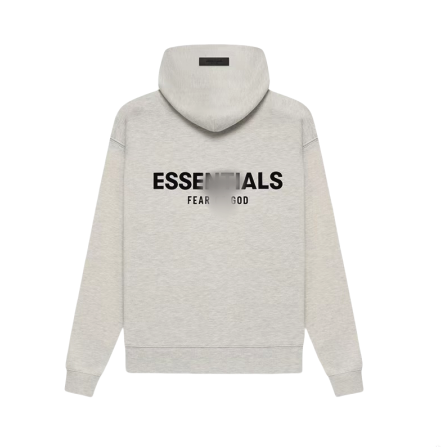
The Best Clothes to Buy from Taobao
Thirty-six pieces across streetwear and the wider wardrobe: what to buy first, what to read in a measurement table, and what a full parcel really costs to land.
- 1Cozy hoodie¥185
- 2National team jersey football uniform top6¥96
- 3Portrait Rock Long-Sleeved T-Shirt¥108
- 4Short-sleeved T-shirt couple clothing¥106


Why these lists exist
A buying guide for a Chinese marketplace has a short shelf life. Listings get pulled, colourways sell out, a seller lifts the price forty percent after a video does numbers, and a list written in March is quietly wrong by June. That is the real problem with the shared spreadsheets and screenshot threads this platform grew out of: nothing on the page tells you which rows have gone stale, so you find out by paying for something that no longer exists.
These guides are built the other way round. Each one is a rule plus an argument. The rule decides which listings qualify (a price ceiling, a category, a minimum review depth, a construction spec worth paying for), and it runs against the live catalogue every time the page is built. The argument is the editorial half: what to look for, which number on a listing actually predicts whether you will keep the thing, and where spending another ¥80 changes the outcome. Every pick carries the specific reason it is on the list.
Ordering is quality score, review depth and link health first; raw popularity a distant fourth. A 4.9 average across three reviews loses to a 4.4 across sixty, because one of those is a fact you can act on. Products that go unavailable drop out rather than sitting there as a dead row, and where a purchasing agent pays Lantern a referral fee we say so on the page, and it only ever breaks a tie between otherwise equal options.
What qualifies
A selection rule, not a hand-typed row: price band, category, rating floor, review count, link health. Each guide page states how many live listings met its rule and how many made the cut.
How it stays current
The order is recomputed from community evidence, so positions move as reviews land and prices shift. In practice the top ten is stable month to month; the tail rotates faster.
What it costs to land
Every guide prices its top picks as one consolidated parcel through each agent we track. Those totals are estimates: freight depends on final weight, dimensions and route. Compare agents.
Guides for one kind of thing
Narrower rules, deeper arguments: what a good one costs in that category and which spec on the listing decides it.
Streetwear
Oversized fits, heavyweight cotton and the workwear silhouettes the community keeps re-buying.
Fashion
The full wardrobe: shirts, knitwear, denim, trousers, dresses and the coats over them.
Shoes
Sneakers, boots and everything the community has actually walked in for a season.
Accessories
Bags first, then the hats, belts and small goods that finish an outfit.
Buying to a budget
A hard ceiling per item, and an honest answer about which construction survives it.
By season
Freight takes three to six weeks, so seasonal lists exist to be read early rather than on the day.
Best Summer Clothes
Linen shirting, mesh layers, shorts and 160g tees. Warm-weather clothing is also the cheapest thing to ship: a five-piece summer parcel lands for less than one winter coat.
Best Winter Clothes
Down fill power, wool weight and layering that actually works. This is also the most freight-expensive list on Lantern, so here is how to keep the shipping bill sane.
Who it is for
Same catalogue, different constraints: a student budget, a shared room, a nervous first order.
Method
How to read one of these lists
Every guide opens with the same four numbers, because they are the four that decide whether a pick is worth your money.
Lantern sells nothing. Guides link out to marketplace listings through purchasing agents, and every agent total on the site is an estimate calculated from published fee structures and community-reported freight. How this works.
- Review depth
- How many people actually reported back. Three reviews is an anecdote; sixty is a distribution. Depth is weighted above the average score itself.
- Price position
- Where the pick sits against its peers on the same list, and whether the reviews justify the gap. The cheapest option is named as such, not hidden.
- Shipping weight
- Freight is billed by the kilo, so grams are part of the price. A dense ¥90 item can cost less to land than a light bulky ¥60 one.
- Link health
- Whether the listing still resolves and the shop is still trading. Dead listings are marked unavailable and drop out of the ranking.
Browse the catalogue directly
Guides are the edited view. The category pages are the whole thing, with filters, community evidence and their own ranked rails.
Themes the guides keep returning to
Each one is its own page: every product on the platform carrying that tag, ranked.
Trending this week
What the community is saving fastest right now, before it reaches a guide.
Curated collections
Boards built around an aesthetic rather than a ranking: the fastest way into a whole look.
Compare agents
Every purchasing agent priced on the same parcel, ranked on value, reliability and QC.
QC photo archive
Warehouse and owner photos, so you can see what a listing actually turns into.